

13 ways to fix your credit by yourself
November 02, 2022


Credit repair software is made up of credit trackers, cleaning kits and simulators that can help identify errors on your credit report. Credit repair software can find mistakes on your report or file credit disputes.
If you’re considering the do-it-yourself option, keep in mind that there will be a learning curve with understanding how to use some credit repair software. Before you download a program, buy software or hire a service, take a look at what credit repair software is, and how it works.
Credit repair software pulls data from your credit report, provided by Equifax, Experian and TransUnion. It allows you to track activity, catch errors and send dispute letters to credit card companies, mortgage lenders and other creditors.
There’s no shortage of
e-books, DVDs, credit score trackers and simulators available. To choose the
best option for you, consider the seriousness of your situation, goals,
timeline and financial means.
Let’s start by
reviewing the three main types of credit repair software and how they match up
against a professional credit repair service.
There are three types of credit repair software: credit score trackers, cleaning kits and credit simulators. Some platforms can be installed on a local hard drive, while others are cloud-based (meaning data is stored on a cloud network).
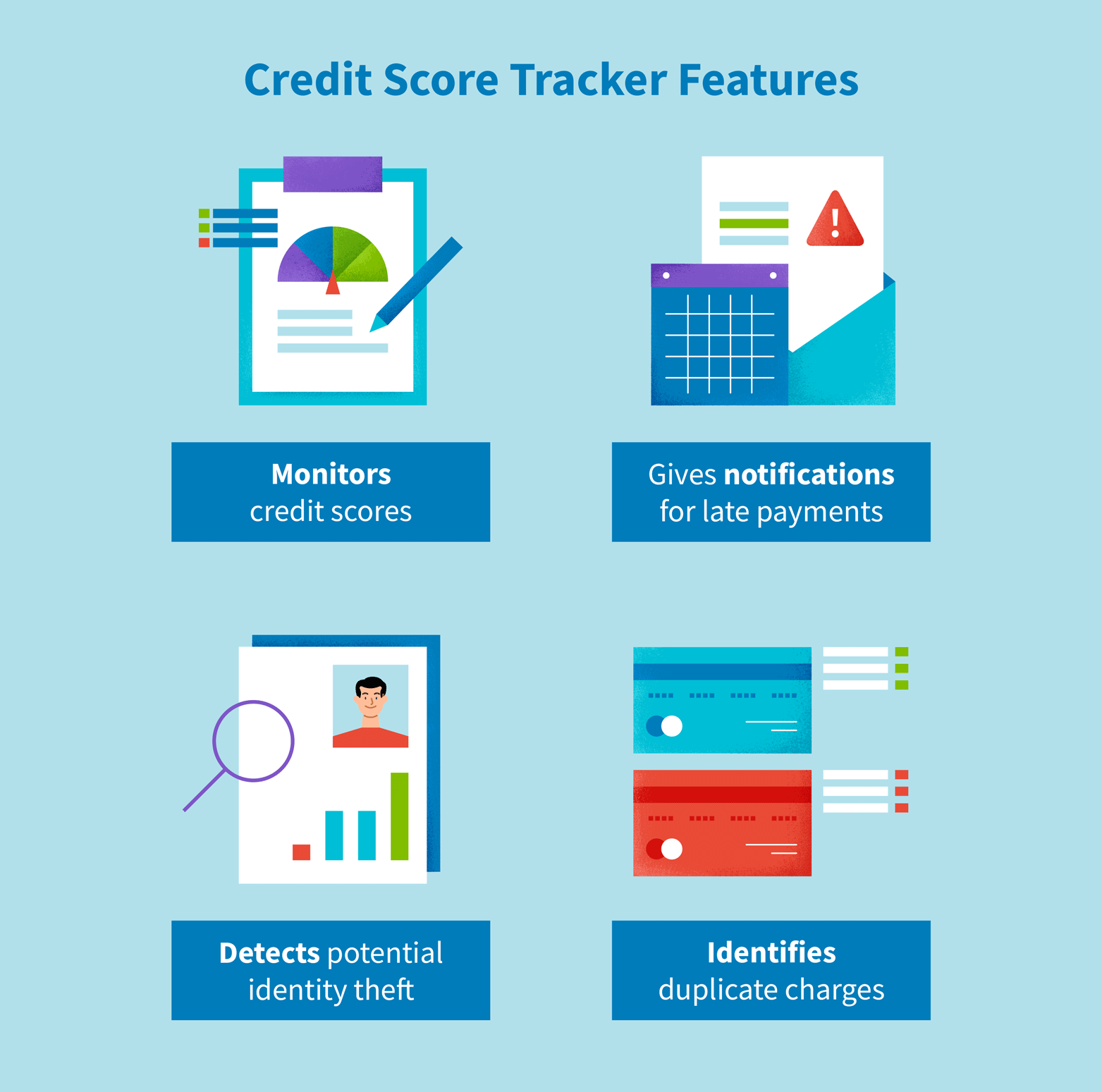
Credit score trackers or credit score monitors connect to the three credit bureaus. These trackers oversee your credit reports and detect activity that can lower your credit score. For instance, they might send you a notification of potential delinquent payments, alert you about negative items or message you about credit pulls and even identity theft.
With easy access to your
credit reports, the software can be viewed on a home computer or mobile
phone.
Pros:
Cons:
Who
is it for:
Credit score monitors
are ideal for borrowers who are performing regular credit maintenance. They
offer peace of mind by giving you regular access to your credit report. If you
have more severe credit issues, you may want to try a credit repair cleaning
kit, which we’ll discuss next.
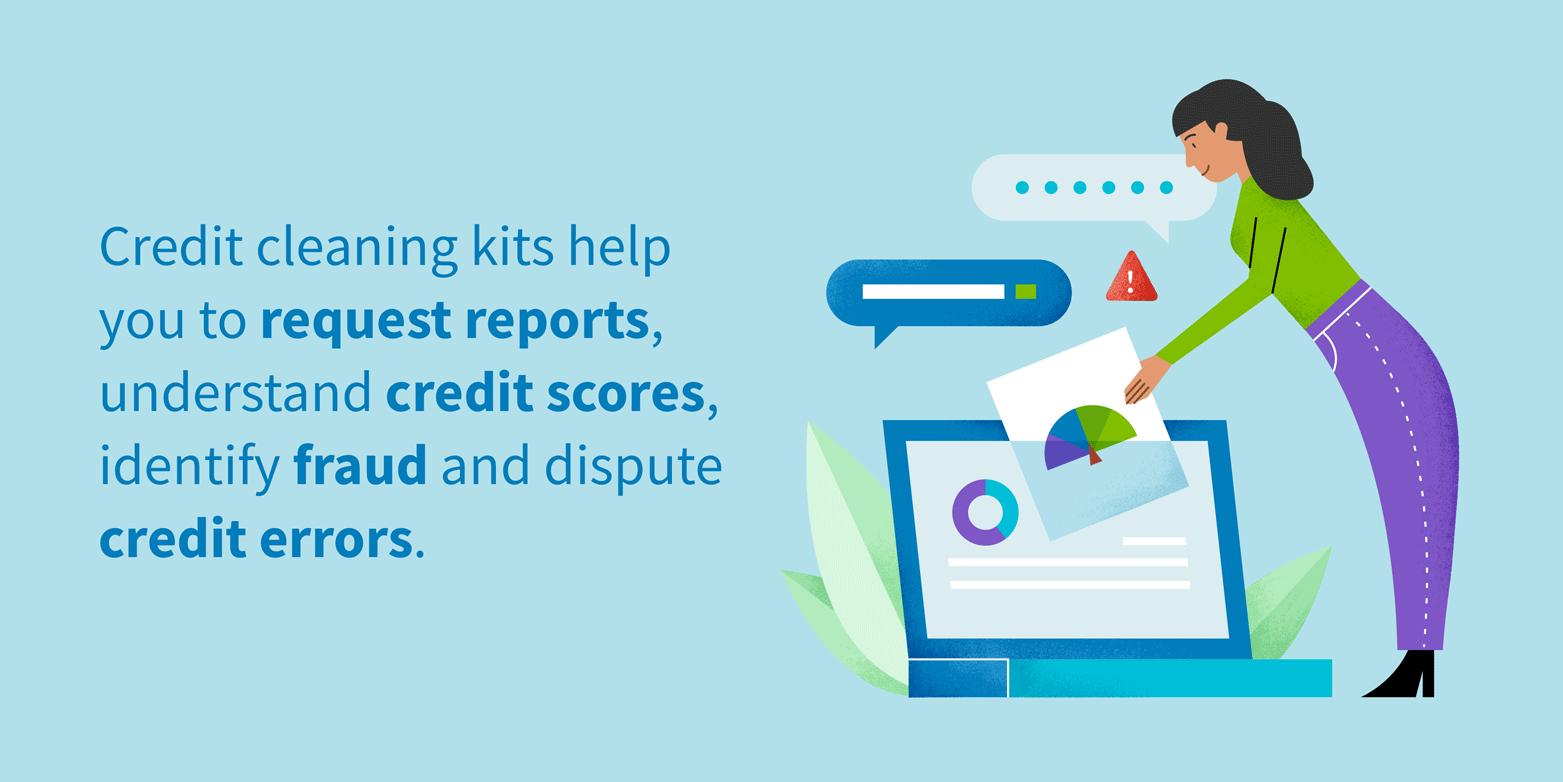
Credit repair cleaning
kits are software, books and audiovisual materials that help you fix past
credit mistakes by requesting credit reports, understanding scores, identifying
fraud and submitting dispute letters.
Going one step further than credit score trackers, the kits are a one-stop shop for your credit repair needs.
For example, if a hotel or restaurant billed you twice, a cleaning kit would help identify the charges. You could contact the venue or use a dispute letter template (included in the cleaning kit) to file a complaint with your credit card company or bank.
Pros:
Cons:
Who
is it for:
Credit repair cleaning
kits are a good option for those that want credit education and want to build
their finances on their own, but learning to use a credit cleaning kit takes
time, and results may not be what you’re expecting.
A credit score simulator allows you to see how potential purchases, loans and investments will affect your credit score before they happen. The software can examine both the FICO Score and VantageScore to predict how your past and current spending habits will affect you in the future.
For example, if you’re considering purchasing a home, a credit score simulator will calculate if the monthly loan and homeowner association (HOA) payments will be cost-effective. The estimates allow you to see your options before you act.

Unlike with credit
checks, running a simulator doesn’t affect your credit score, so you can
experiment with different scenarios to understand the full financial picture.
However, estimates aren’t set in stone and don’t predict the recovery time of
actions.
Pros:
Cons:
Who
is it for:
Credit simulators are a good idea for those considering making a major purchase, like a car or house. They will give you a snapshot of how your credit score could shift.
If you want to get to the root cause of your low credit score and fix it effectively, hiring a professional credit repair service could be the answer, which we’ll discuss next.
Credit repair services manage your credit report and contact credit card companies, lenders and credit bureaus on your behalf. They have experience using credit repair software and are familiar with financial regulations.
Credit repair services do all the heavy lifting tracking scores, help you with finding errors and contacting creditors. This saves you time, stress and money. Think of it as having a personal coach, so the service fees are well spent. Credit repair companies will advise you on smart goals for immediate and long-term success.
Pros:
Cons:
Who
is it for:
A credit repair service is ideal for many kinds of people, from those looking for a quick boost to those who are trying to recover from severe issues like bankruptcy. They’ll help you plan a long-term strategy for improving your credit score.
Now that you’ve
learned about the different types of credit repair software, it’s time to
decide which is the best option for you.
Credit score trackers,
credit cleaning kits and credit score simulators are ideal if you want to
repair your credit on your own. They can assist you with self-education and
troubleshooting minor issues. But, unfortunately, they don’t account for
problematic circumstances that can affect your credit report.
Credit repair services utilize information from experts in the field who are aware of financial regulations and can catch errors that you might miss on your own. Considering working with these pros when you need credit help.
Note: The information provided on CreditRepair.com does not, and is not intended to, act as legal, financial or credit advice; instead, it is for general informational purposes only.

![Sky Blue Credit vs. CreditRepair.com comparison [2022]](https://stg.creditrepair.com/hs-fs/hubfs/Imported_Blog_Media/sky-blue-1.png?width=339&height=588&name=sky-blue-1.png)