
What is credit mix + how does it affect your credit score?
February 28, 2023


Have you ever applied for credit
and been turned down because of a bad
credit score? Do you wish to have a comprehensive credit history to
enhance your creditworthiness?
Perhaps you haven’t applied for
new credit in a while, and you are
wondering if there are other ways to prove your financial prudence to the
creditor besides credit history.
FICO
is making changes to credit scores effective
as of January 2019. A new version of FICO called UltraFICO can improve your credit scores based on how you manage
the cash in your checking, savings, and money-market accounts. The
Wall Street Journal
describes this new credit scoring model as one of “the biggest shifts for
credit reporting.”
Since the 1990s, payment history has been the main
determiner of credit scores and the yardstick for measuring a borrower’s
eligibility in credit and loan considerations. The finer your history, the
higher FICO will score you–but there’s a little problem with this method.
For the millions of Americans
with little or no credit history, they can't approach creditors for personal
loans unless they are ready to commit to higher interest rates. In many cases,
they can't even obtain a loan at all because they have a poor credit score that
stems from a less than desirable credit history.
A
number of lenders have recorded a series of losses for basing a
borrowers’ financial integrity on their past repayment records alone, since there is not enough information to
capture the financial stance of such
people.
By collecting more data from
consumers, FICO will now address most of the concerns arising from
lender-borrower transactions and possibly increase consumers’ credit scores
under the new UltraFICO scoring model.

Although UltraFICO promises to
give people an
opportunity to increase their score and gain good credit, consumers must opt-in for the service and be willing to share their data if they want to be assessed under the new scoring framework.
While standard FICO scores are
based on payment history alone, the UltraFICO
Score-depending on how much data you shared-
factors in a wider range of data which may
include utility bills payment as well as aspects of your banking transactions.
The goal is to assess
your financial situation and how well you handle money. So, it
doesn’t matter if your credit score is low or you have no score, as long as you don’t have overdrawn accounts and the data you
share shows a positive attitude and positive habits regarding money, your UltraFICO score will
be high.
With
the new credit score changes, many more consumers can gain access to broader
lending options and better terms. For example, consumers can see an average of
$400 in savings throughout three months, and this will possibly increase a consumer’s FICO
score. If your information indicates the likelihood that you will repay debt, then it can boost approval for personal
loans and credit cards.
Consumers can see an average of $400 in savings throughout 3 months, and this will possibly increase a consumer’s FICO score
Once UltraFICO takes full effect,
it can help creditors and lenders spot risky borrowers, using the additional
information provided to determine the attitude of consumers to money. In
essence, lenders will be better informed and better able to make decisions
about an individual’s approval and interest rates.
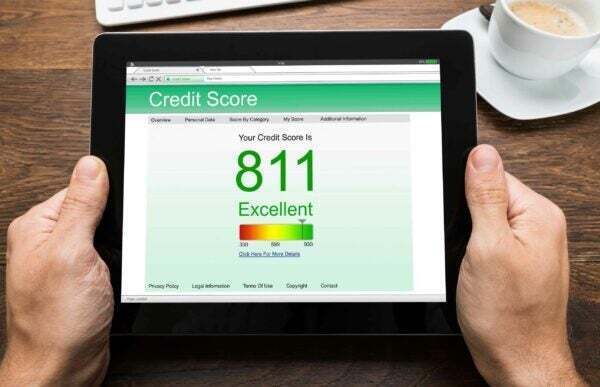
UltraFICO
seems to be the newest and greatest thing
in the credit world, but it's normal for a new product like this to hit the
town amid a storm of hype. Nearly every other person is talking about its unrivalled benefits for consumers and creditors
alike, but in doing so are paying less attention to its drawbacks.
A critical look at the 2019 model
of the FICO system reveals why one must not expect too much from the product.
As we await the utilization of
the new credit scoring style, it's important to note that people who are fresh
to credit or have a lower or less-than-perfect credit score will benefit more
from the new scoring system. Notwithstanding the hype about UltraFICO, lenders will use their discretion in
choosing a scoring model, approving loans and setting charges.
While creditors are showing more
of a willingness to take risks and provide consumers with easier access to
credit cards and loans, the onus is on the borrowers to pay down their debts as
agreed. It all boils down to one thing–the need for everyone to embrace
personal financial discipline.
If you're unsure how credit scoring works, or just want to learn more about credit repair, contact us.
Carry on the conversation on our social media platforms. Like and follow us on Facebook and leave us a tweet on Twitter.